
Rodent Control in Fort Lauderdale, Florida
Scratching over the bedroom at 2 a.m. is usually a roof rat that came in off a palm, a mango tree or a power line. Call, describe what you're hearing, and the line connects you with an independent rodent control provider who works Broward County.
Call (954) 824-2338Have this ready when you call:
- What you've noticed: noises, droppings, chewed fruit, gnawed wires or a rat you saw
- Where: attic, ceiling, walls, kitchen, garage, pool equipment, dock or yard
- House, townhome, condo or business, and roughly how old the building is
Which one is living with you?
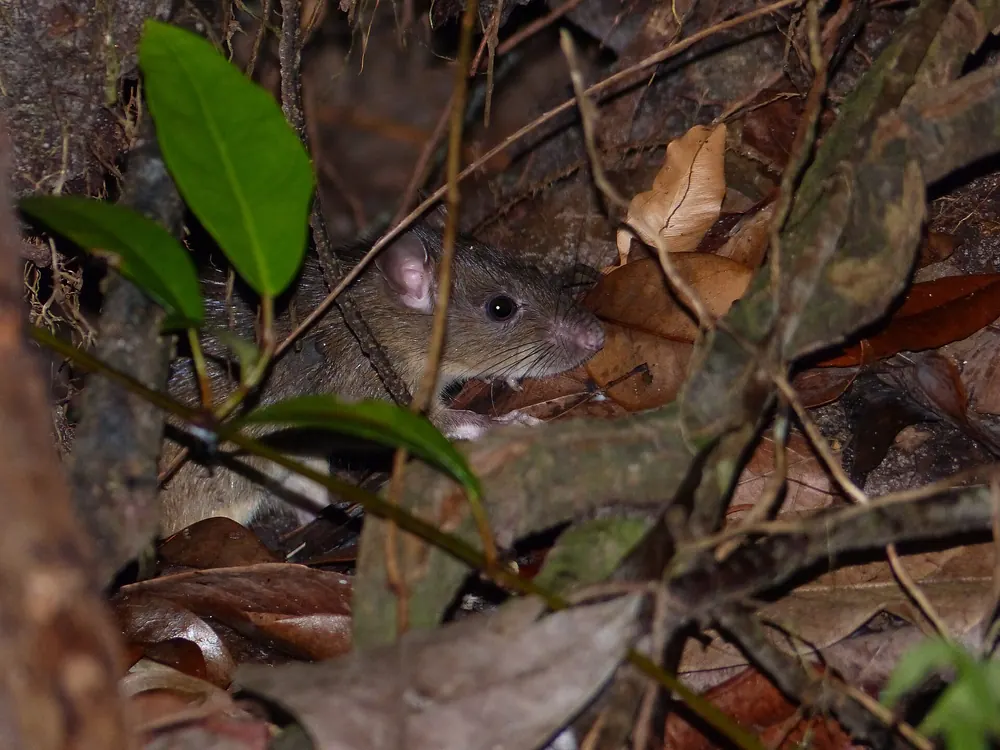
Roof Rat
Rattus rattus
Slim, dark and a good climber, with a tail longer than its body. This is the rat in most Broward attics.
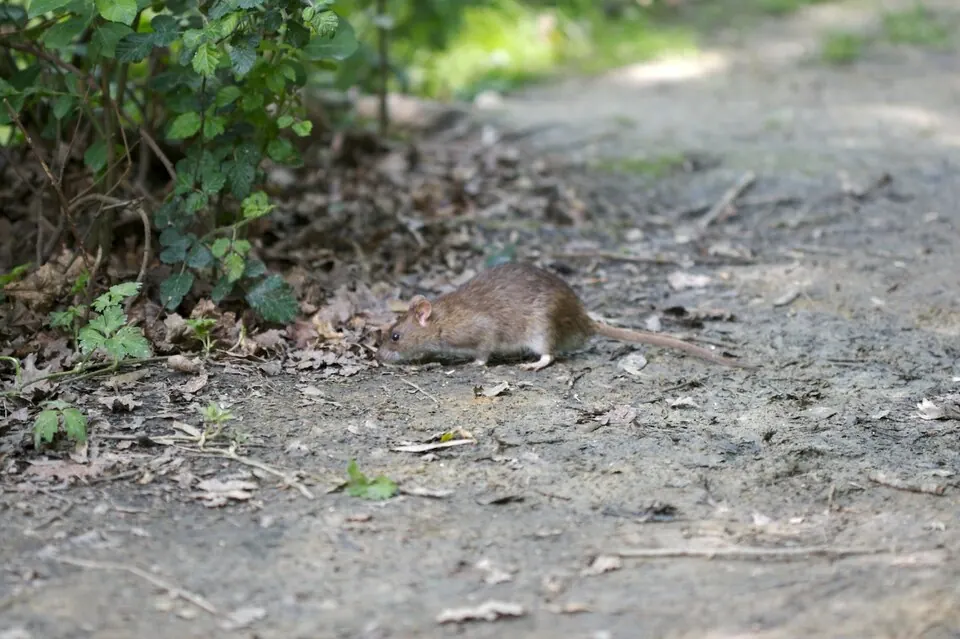
Norway Rat
Rattus norvegicus
Heavier and browner, with a blunt nose. It digs. Look for burrows along seawalls, canal banks and slab edges.
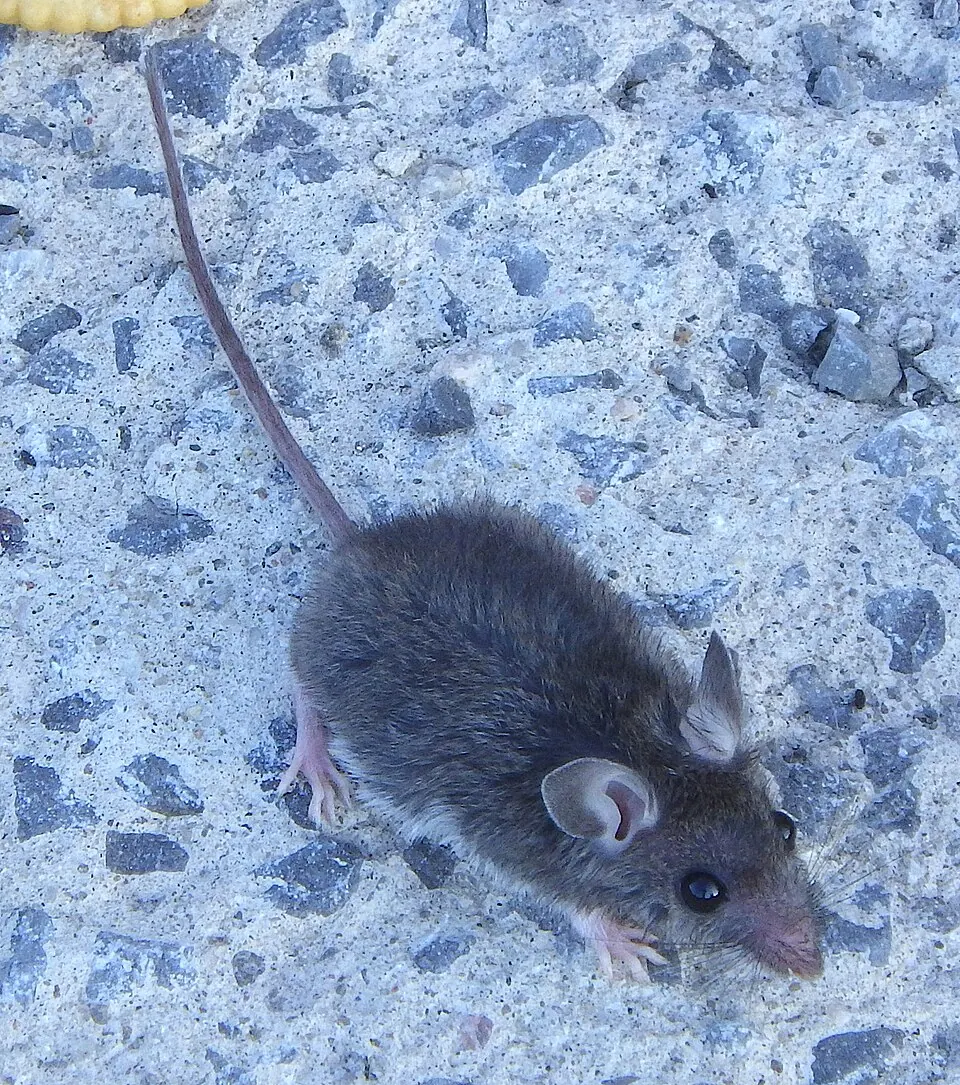
House Mouse
Mus musculus
Small and gray-brown. Turns up in kitchens, condo units and garages. Droppings look like dark rice.
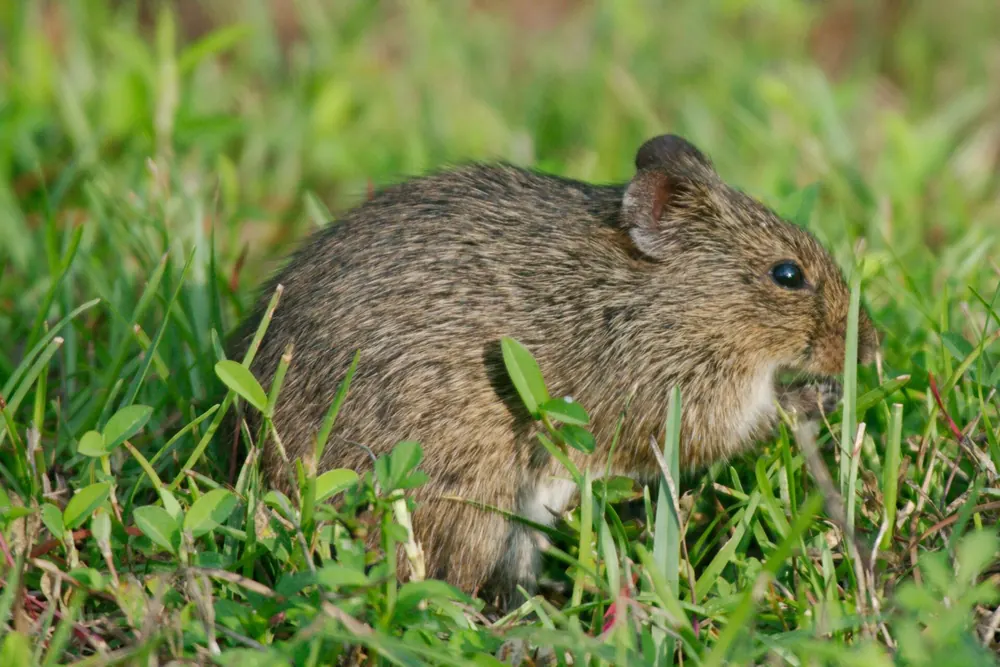
Cotton Rat
Sigmodon hispidus
A native field rat with coarse, grizzled fur and a short tail. Lives in tall grass and empty lots more than in houses.
Most rodent calls from Fort Lauderdale are about roof rats. They live up high, in palms, ficus hedges, fruit trees and attics, and they get around on fences, utility lines and branches that touch the roof. UF/IFAS lists attics, palm trees and ornamental shrubs as places they do well. If the noise is overhead, start with roof rat control.
This number is for rodents and nothing else. You call, say what you're seeing and where you live, and the call goes to an independent rodent control provider that covers your part of Broward. The provider comes out, finds how the animals are getting in, and gives you a price. Mice in a condo unit or rats burrowing near the canal go through the same call.
Trapping by itself rarely ends a roof rat problem here. New rats keep showing up as long as a gap at the roofline stays open and a branch keeps leading them to it. Ask the technician about sealing the house, and about cleaning the attic once the rats are out.
Why Fort Lauderdale homes get rats
Start with the water. The county tourism office counts more than 300 miles of navigable waterways in Broward, and a big share of Fort Lauderdale's houses back onto a canal, the New River or the Intracoastal. Waterfront lots tend to have docks, seawalls, thick hedges and mature trees. Roof rats use the trees and hedges. Norway rats, the ones that dig, show up along the seawalls and banks. UF/IFAS describes Norway rats as burrowers that are most common along coasts and canals, which fits this city to a T.
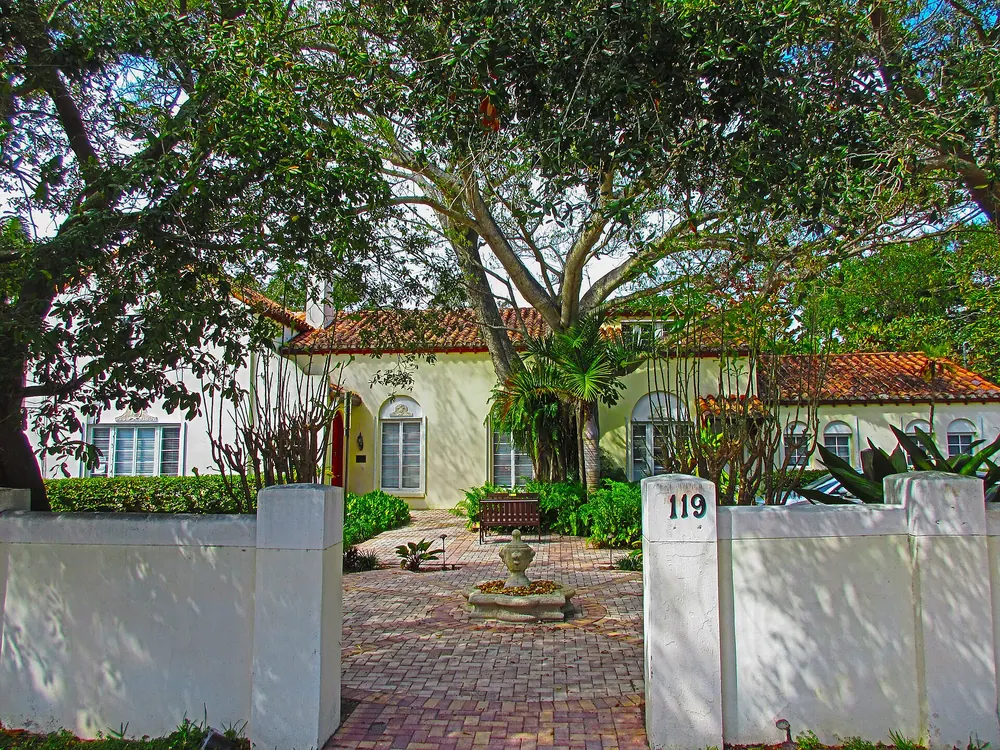
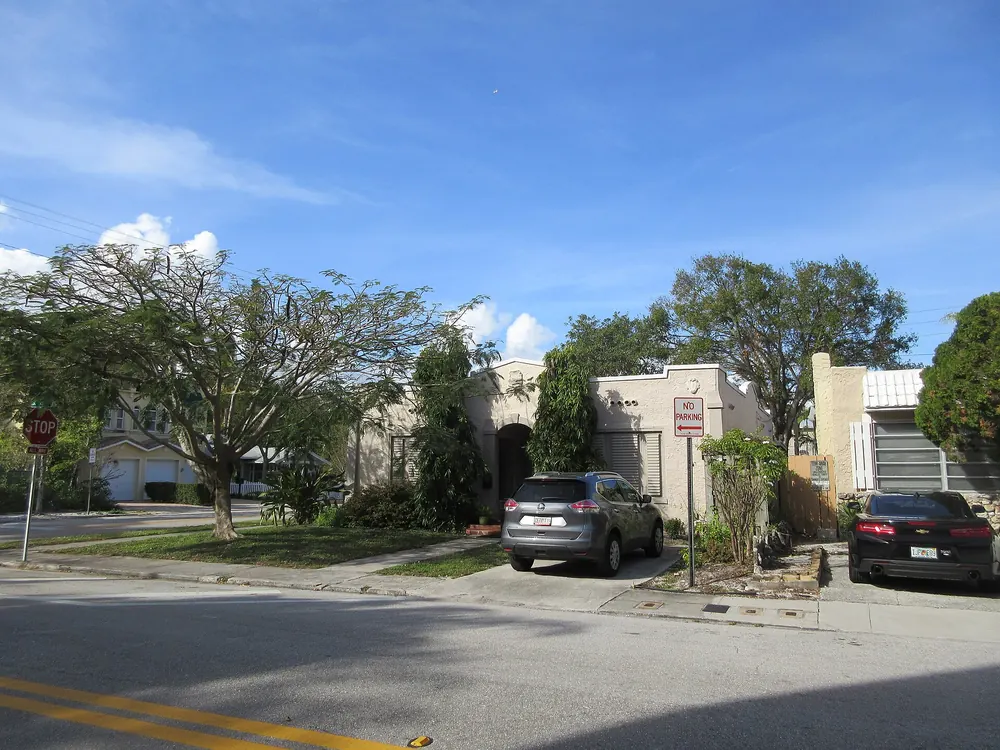
Then the houses. Sailboat Bend, the city's oldest neighborhood, has small bungalows and Mission and Mediterranean Revival homes built from the early 1900s through the 1950s. Rio Vista started growing in the 1920s. Victoria Park has a pocket of homes from 1924 to 1937. Older roofs mean older soffits, loose vent screens and tile ends that were never closed off, and a rat only needs about half an inch. See Sailboat Bend, Rio Vista and Victoria Park for the details on those streets.
Fruit is the other draw. Roof rats prefer fruit, and UF/IFAS notes they live in citrus trees and gnaw the fruit right there. A backyard mango, avocado or orange tree close to the house can feed a family of rats for months. Add bird seed under a feeder, pet food on the patio and a garbage can with a loose lid, and you've got a well-stocked yard. Palms, fruit trees and roof rats covers the yard side.
Downtown and the beach are their own thing. Condo towers, the restaurants along Las Olas and the Riverwalk, and shared trash rooms bring mice and Norway rats indoors through chases and service halls. That's condo and apartment work or commercial rodent control, and building management almost always has to be part of it.
- Palm fronds, ficus and mango limbs resting on the roof
- Open ends under barrel tile at the eaves and ridge
- Torn soffit screens and gable vents on older homes
- Holes around AC lines and plumbing where they enter the wall
- Burrows along seawalls, slab edges and canal banks
Rats and mice through the Fort Lauderdale year
| Dry season, about November to mid-April | Less rain and less food growing outside, so rats lean on fruit trees, feeders and attics. It's a good stretch to get the roofline sealed before summer storms start. |
|---|---|
| Wet season, May through October | Afternoon storms most days. Low yards flood, burrows near the water get soaked, and rats look for dry ground in garages, pool equipment areas and attics. |
| Hurricane season, June 1 to November 30 | Storms knock down limbs, crack tiles and rip screens. Rats find those openings quickly. After a big blow, walk the outside of the house and look up at the roofline. |
| When the fruit ripens | Roof rats eat mangoes, avocados and citrus while they're still on the tree. Hollowed-out fruit hanging on the branch is a pretty sure sign. Pick ripe fruit and clear the drops. |
Noises in the ceiling after dark? Describe what you're hearing.
Your call goes to an independent local rodent control provider in Broward County. Same-day appointments are often available.
How the call works
Rats and mice only
No lawn spraying, termites or mosquito work. Keeping it to rodents keeps the call short: say whether you hear it over the bedroom or inside a wall, and where you live.
Your call goes to a local provider
An independent rodent control provider who works your part of Broward. Give the street or ZIP and what you've noticed, and that covers most of the call. Same-day appointments are often available.
Sealing comes first
A company worth hiring here looks at the roofline, soffits and trees before it talks about traps. What a seal-up involves.
Prices come from the provider
The site doesn't quote jobs. The provider who walks the property gives you the number, and any warranty is theirs. What rodent control costs here.
Rodent services in Fort Lauderdale
- Roof Rat Control
- Rat Control
- Mouse Control
- Rodent Exclusion & Sealing
- Rodent Inspection
- Attic Cleanup
- Droppings Cleanup & Sanitizing
- Dead Rat Smell Removal
- Mice in Walls Removal
- Garage Rodent Control
- Rat Burrow & Seawall Treatment
- Emergency Rodent Removal
- Condo & Apartment Rodents
- Commercial Rodent Control
- Restaurant Rodent Control
What to say when you call
The call goes to an independent rodent control provider who works in Broward County. A couple of minutes of detail up front gets you a straighter answer on timing and price.
Tell them
- What you've noticed: noises, droppings, chewed fruit, gnawed wires or a rat you saw
- Where: attic, ceiling, walls, kitchen, garage, pool equipment, dock or yard
- House, townhome, condo or business, and roughly how old the building is
- How long it's been going on, and whether anyone has set traps or bait
- Kids, pets or anyone with health problems in the home
- Your ZIP code or the nearest cross streets
Ask them
- What's the business's Florida pest control license number, and who is the certified operator in charge?
- Will the technician seal the entry points, or only set traps and bait?
- What does the price cover, and how many return visits are included?
- Can I get the quote and the list of openings in writing before work starts?
- What will be placed inside and outside, and is it safe around kids and pets?
- If there's a warranty, what does it cover and for how long?
Fort Lauderdale and Broward rodent guides
Who to call about rats in the city, what Florida law asks of landlords, what restaurant inspectors look for, what rodent work costs and how to check a license. All of it is in the guides section.
- How to Report Rats in Fort Lauderdale and What Happens Next
- Rats and Mice in a Fort Lauderdale Rental: Tenant and Landlord Rules
- Fort Lauderdale Trash, Yard and Property Rules That Affect Rats
- Restaurant Rodent Violations in Florida: What Fort Lauderdale Owners Should Know
- What Rodent Control Costs in Fort Lauderdale
- How to Verify a Pest Control License in Florida
Reading on rats and mice
- How to Get Rid of Rats in Fort Lauderdale Identify the rat, take away food, trap along the runways, seal the gaps with metal and trim trees off the roof. In Broward, skipping the sealing step is why rats come back.
- Signs You Have Rats or Mice in Your House Droppings are the clue most people find first. Night noises, gnaw marks, rub marks, hollowed fruit and burrows fill in the rest, and each one points to a particular rodent.
- Scratching in the Ceiling or Walls at Night: What It Means Scurrying overhead after dark is usually a roof rat. Light scratching inside a wall is often a mouse. Daytime noise points to squirrels. Here's how to tell, and what to do.
- Rat vs Mouse Droppings: How to Tell Them Apart Mouse droppings are about an eighth of an inch and rod-shaped. Roof rat droppings run up to half an inch and are spindle-shaped. Norway rat droppings are about three-quarters of an inch and capsule-shaped.
- Palms, Fruit Trees and Roof Rats: A Fort Lauderdale Yard Guide Roof rats nest in old palm fronds and eat fruit on the branch. Trimming, picking and isolating trees cuts off their food and their route to your roof.
- Why Rats Come Back After the Exterminator Leaves Trapping removes the rats inside. If the gaps, the trees and the food are still there, new rats replace them. Here are the usual reasons in Broward and how to break the cycle.
Neighborhoods and Broward towns
Victoria Park · Las Olas · Rio Vista · Sailboat Bend · Tarpon River · Croissant Park · Harbor Beach · Coral Ridge · Imperial Point · Downtown & Flagler Village · Wilton Manors · Oakland Park · Plantation · Davie · Hollywood · Dania Beach · Pompano Beach · Lighthouse Point · Lauderdale-by-the-Sea · Coral Springs
The line takes calls from the rest of Broward too. Not on the list? Call anyway, or see every area page.
Questions callers ask
What does it cost?
Nobody can say until a provider sees the place, and this site doesn't set prices. The roof type, the number of openings and whether the attic needs cleaning all change it. What sets the price goes through it.
Is it a rat or a squirrel up there?
Noise after dark usually means roof rats. Squirrels are up and about in the daytime. Roof rat droppings are spindle-shaped and up to half an inch long, according to UF/IFAS.
Will they put poison in my attic?
Most good providers use snap traps and sealing inside the house. A rat that eats poison can die inside a wall and smell for a long time. Any outdoor bait should be in locked stations.
Does the line handle iguanas or opossums?
No. This line is only rats and mice. A wildlife removal company is who you want for those.